
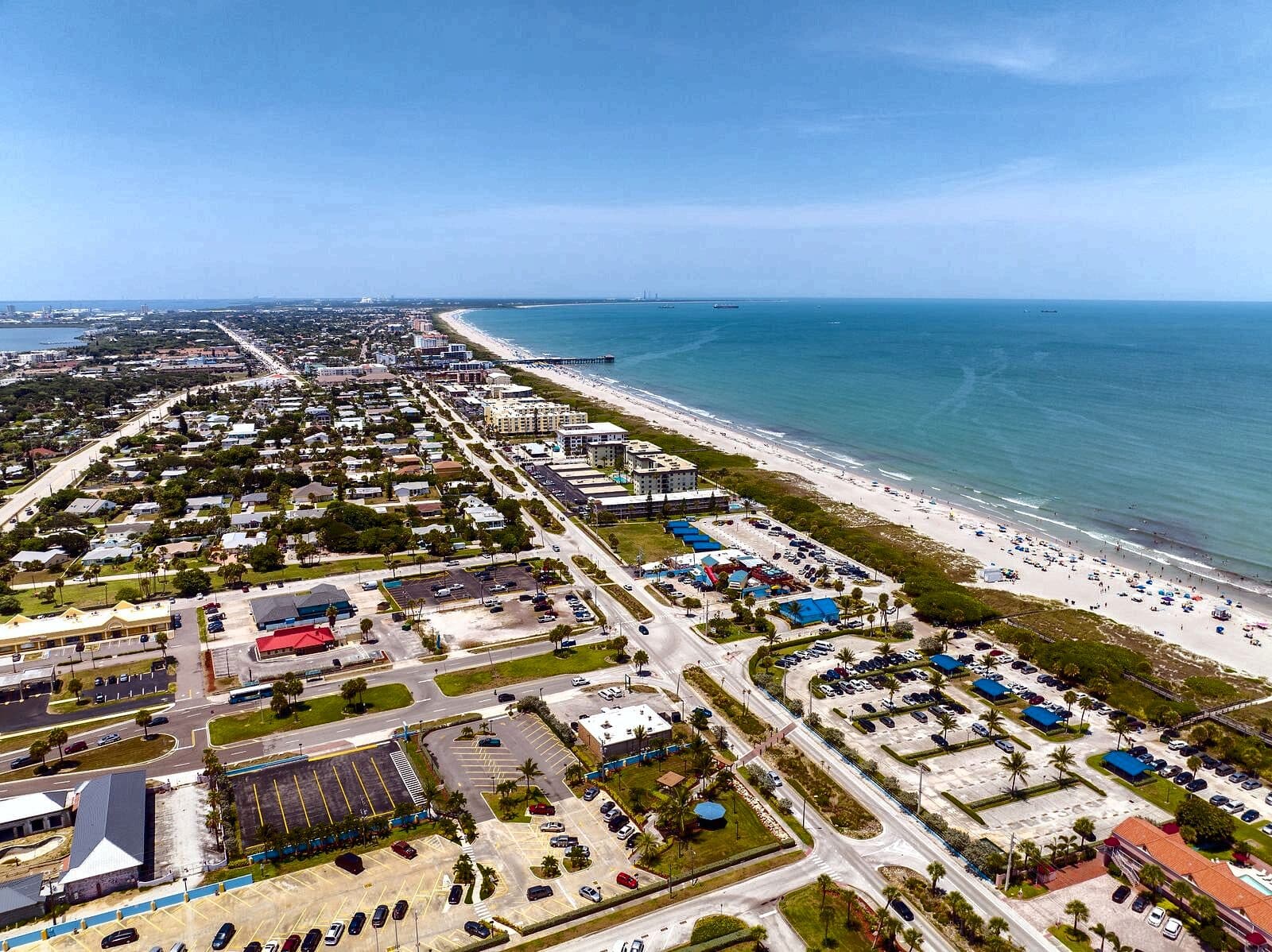
Florida keeps adding people faster than it adds attainable places for them to live. Meanwhile, a generation of roadside and mid-market hotels, built for a tourism pattern that has moved on, sits on well-located, fully serviced land across the state. Those two facts are one opportunity: Florida's obsolete hotel stock is a housing pipeline hiding in plain sight.
Why is Florida short on attainable housing?
Florida's population and employment growth have outpaced housing delivery for years, and the gap is widest exactly where working households need to live: near hospitals, ports, bases, and industrial employers rather than beachfront resorts. Ground-up multifamily development struggles to close that gap in these submarkets because elevated construction and financing costs push new projects toward luxury rents, and because land, entitlement, and construction timelines stretch delivery years into the future. The households that anchor these economies (nurses, technicians, teachers, aerospace and defense workers) are left competing for an aging rental stock that was never plentiful. A strategy that delivers Class A housing to these submarkets faster and at a lower cost basis than new construction serves demand that ground-up development cannot reach.
What makes an obsolete hotel a good apartment building?
A hotel is already most of an apartment building. It sits on commercially zoned land with utilities, parking, and road frontage; its rooms already divide into residential-scale units with plumbing in every one; its lobbies, pools, and grounds convert naturally into resident amenities. The same traits that make a hotel obsolete for hospitality (an aging format, a location oriented to commerce rather than tourism, competition from newer flags) often make it ideal for housing, because the location logic that once served travelers now serves commuting workers. Conversion replaces interiors and systems rather than structures, which is why STILL Property Group underwrites conversion timelines of 12–18 months rather than the multi-year arc of ground-up construction. The result is attainable Class A product in submarkets where new construction cannot pencil at workforce rents.
Why is the Space Coast a proving ground for hotel conversion?
Brevard County's economy has transformed around aerospace, defense, and healthcare. Kennedy Space Center's commercial launch economy, defense contractors, and major hospital systems anchor a deep, resilient renter base. Housing supply has not kept pace with that transformation, and submarkets like Merritt Island have seen no new ground-up multifamily in decades. STILL Property Group's current project, The Jade Space Coast, applies the conversion playbook there: a 128-room hotel on a seven-acre State Road 520 frontage, minutes from the region's largest hospital, converting into 164 Class A apartments. The planned Brightline Cocoa station and the SR-520 corridor tie the area to Orlando and the coast, reinforcing demand for attainable housing near employment rather than speculative resort product.
How does adaptive reuse deliver housing faster than new construction?
Because the slowest parts of development are already done. Land assembly, site work, structure, and utility infrastructure consume the early years of a ground-up project before a single wall goes up; a conversion inherits all of it on day one. Entitlement risk shrinks too: municipalities facing housing shortages have proven receptive to converting underused commercial property into homes, and the building's envelope and infrastructure are existing conditions rather than proposals. That is why a conversion can move from acquisition to leasing in 12–18 months. Speed compounds every other advantage: lower carrying costs, earlier revenue, and delivery into today's demand rather than a forecast of demand years out. Conversions still carry uncertainty in diligence, approvals, and lease-up. The timeline advantage over ground-up is structural.
See the current conversion underway at The Jade Space Coast, or the completed proof at The Jade Winter Haven.
Sources
- STILL Property Group, Offering Memorandum